Design a T-shirt with AI in 2026: the calm guide to a one-off
Design a T-shirt with AI, step by step: describe your design in one sentence, compare drafts, understand print and fabric. From €29.99.
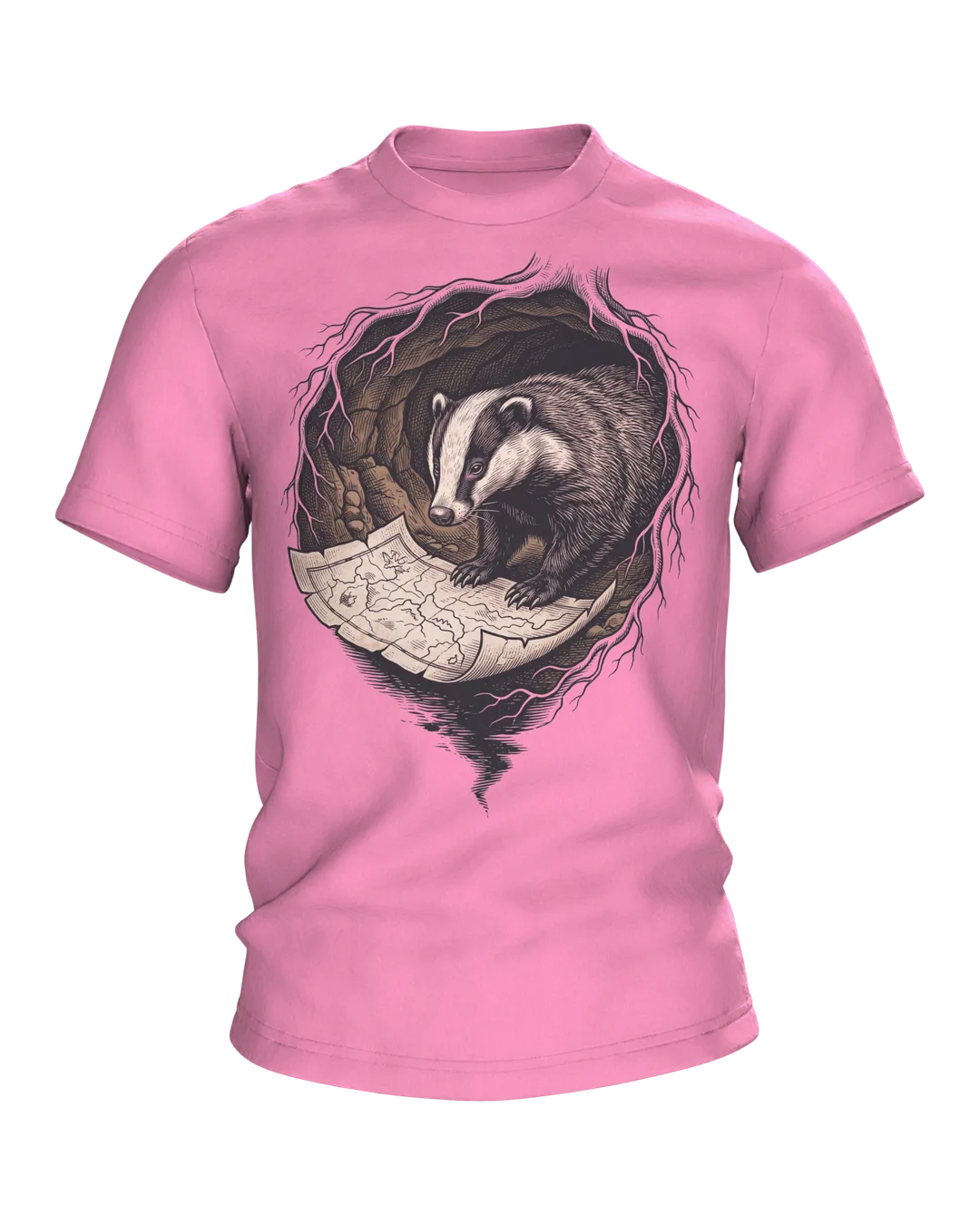
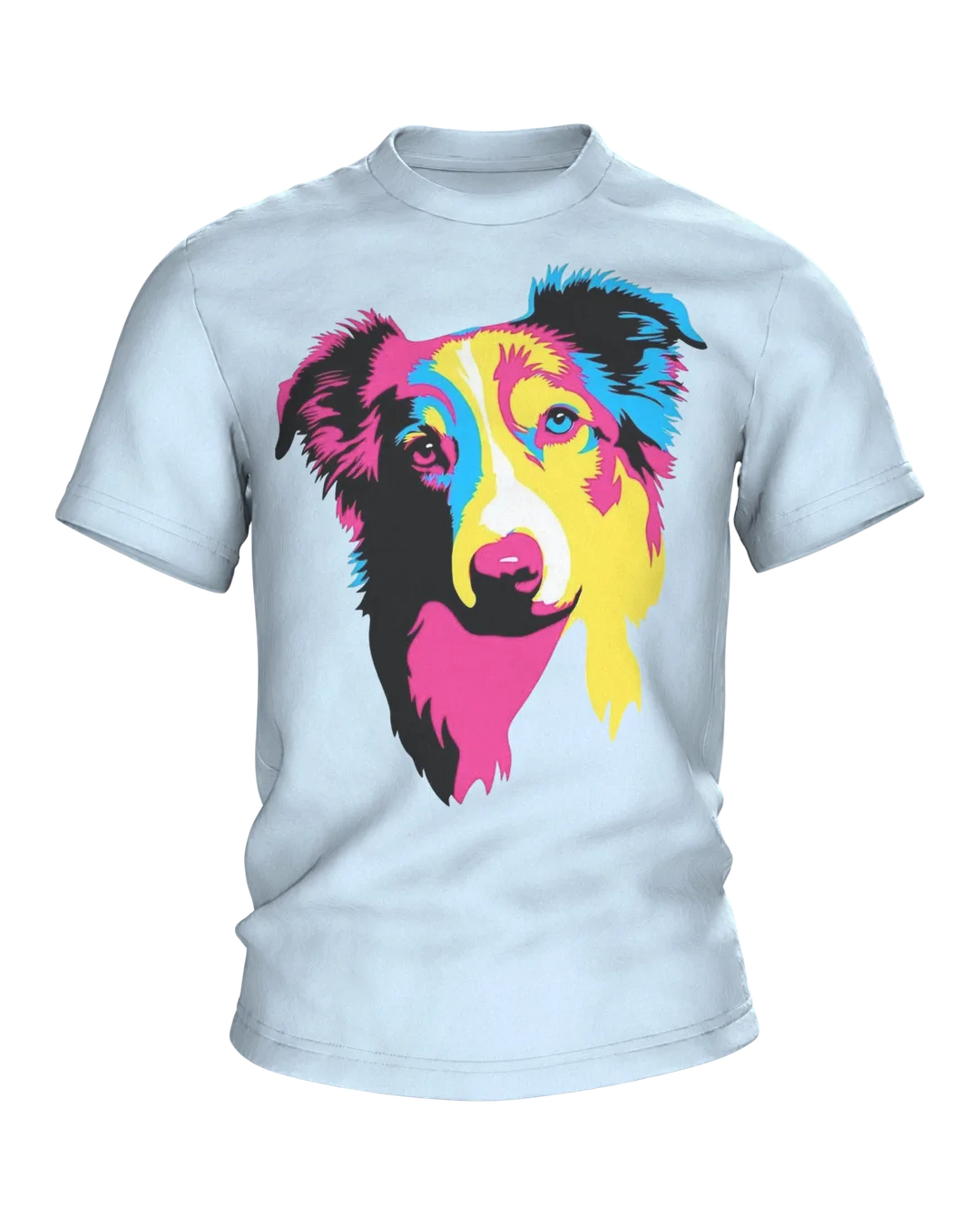

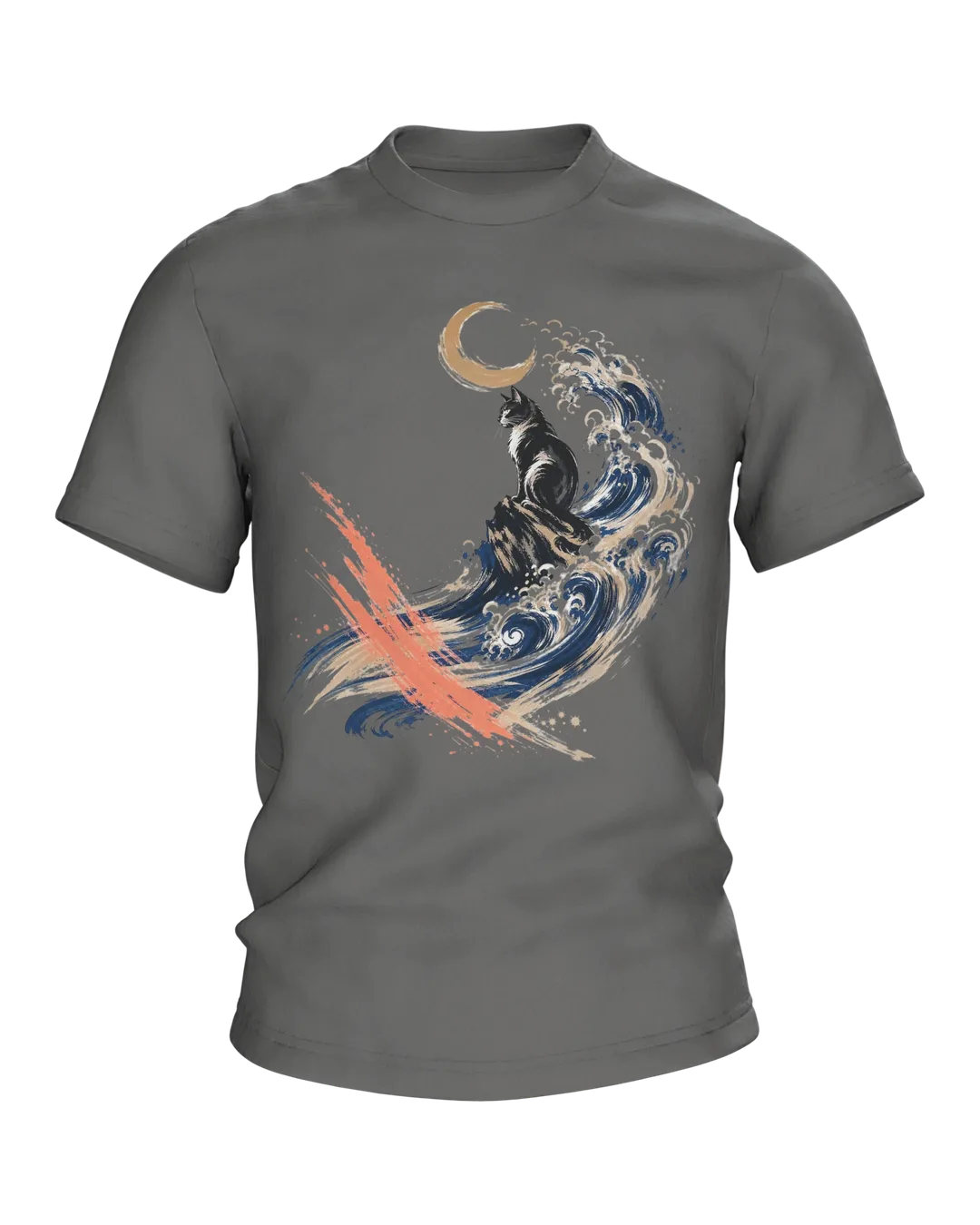
An AI T-shirt is not a mass-produced item with an interchangeable chest logo, it is a single generated design that is only produced after you order. Behind the term sits the combination of generative artificial intelligence and modern textile printing: you describe an idea, an image model turns it into a picture, and the result lands on a shirt that exists only because of your input. This guide sorts through the main decisions involved, calmly and one at a time.
Most people struggle less with the technology than with the choices. Which fabric suits which print? How many designs can one shirt carry? Which themes deliver convincing results, and which do not? The following sections answer exactly those questions, without taking the creative decision away from you. How your shirt should feel in the end stays your call.
What sets an AI T-shirt apart from off-the-rack clothing
Classic fashion is made in large runs. A collection is designed, produced in high volume and sold over a season. That means limited variety and a good chance of seeing the same design on other people. A single generated design turns that principle around: it comes into being only when someone actually wants to wear it.
From that follows the real difference: uniqueness. Generative image models produce different variants even from identical inputs. Two people entering the same wish do not get the same picture. That property is not an advertising promise, it is a technical condition of the underlying models. If you are looking for a design that will not turn up twice in everyday life, this is the obvious answer.
Then there is the low barrier to entry. A shirt of your own used to require drawing skills, experience with graphics software or the budget for a commissioned design. Today a theme, one or two picture elements and a design direction are enough. The part most people used to fail at, the craft of the execution, is handled by the model.
Print methods: why sublimation leads for full-surface designs
There are essentially three methods for printing on textiles, and each has its sensible use. Which one fits depends on the design, the fabric and how much of the surface you want printed.
- Screen printing presses ink through a screen onto the fabric, one screen per color. For single-color logos in high volume that is cheap and robust. For a multi-colored one-off design the effort does not pay, because the whole setup would have to be built for a single piece.
- Direct-to-garment (DTG) works like a large inkjet printer and applies ink straight onto the fabric. It works well on cotton and allows multi-colored images, but stays limited to flat areas. The ink sits as a layer on top of the weave.
- Sublimation transfers the design with heat and pressure from transfer paper onto polyester. The ink turns straight into a gas and bonds with the fiber. The image then sits in the weave rather than on it.
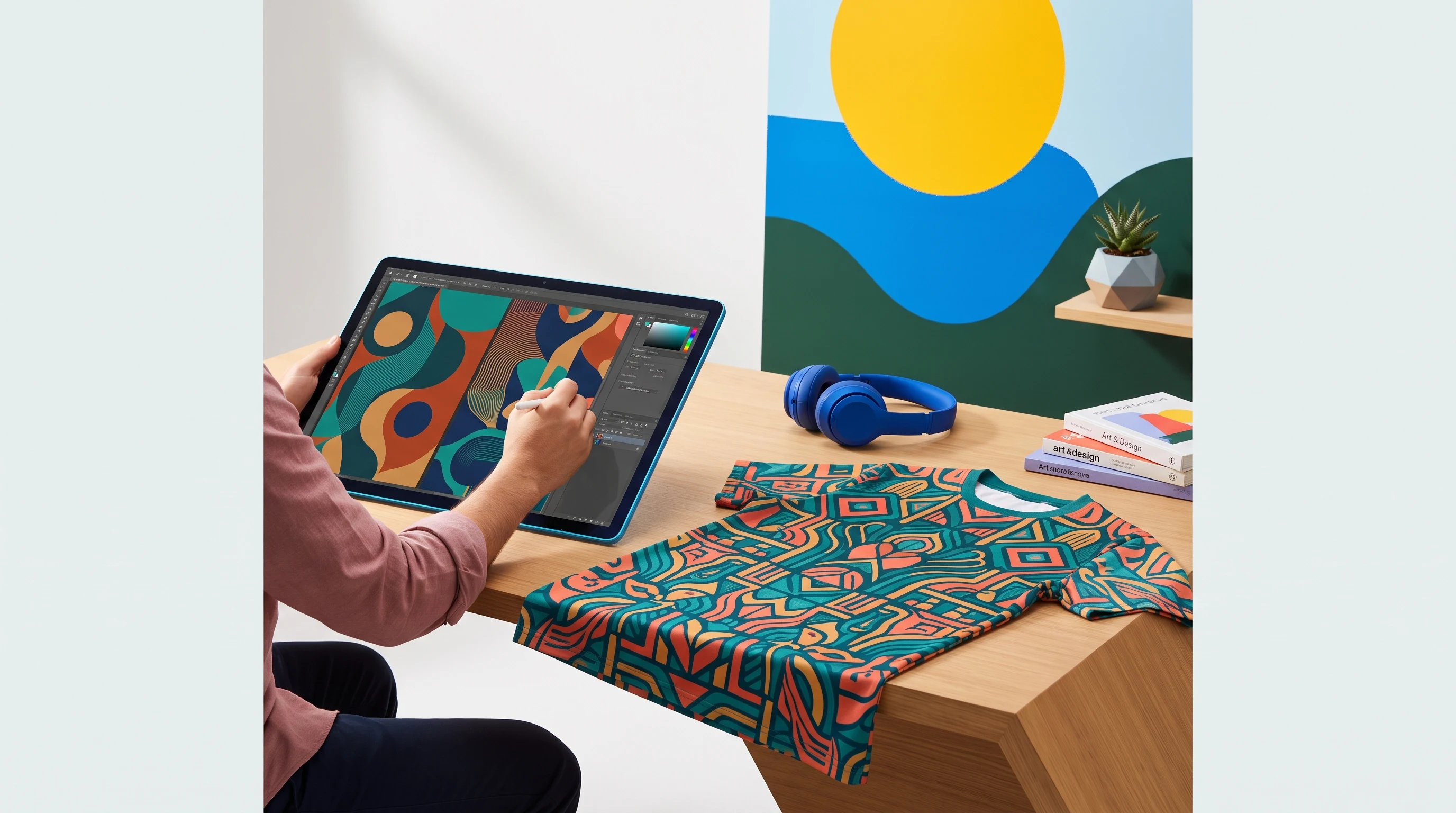
That difference is exactly why sublimation is the first choice for large-area designs. Because the ink becomes part of the fiber, there is no ink layer sitting on the fabric, and with proper care the color stays vivid for a long time. The second advantage is the print across front, back and both sleeves right up to the seams, the full all-over print you know from streetwear. For a pared-back chest design on cotton, direct-to-garment printing remains a good, everyday solution.
Material: what a high polyester content means
A fabric with a high polyester content makes some people skeptical, an impression often shaped by older synthetics. That impression is out of date. The fabric of the all-over print shirt is smooth, medium-weight and has two-way stretch, and its feel is closer to cotton than to the synthetics of past decades.
There is also a physical reason for the material choice. Sublimation works chemically only on polyester, because the dye molecules bond there and not to cotton fibers. A cotton shirt with a sublimation print would lose most of its color after the first few washes. An all-over print shirt therefore cannot avoid a high polyester content: that is not a cost saving, it is a technical necessity.
A small share of elastane rounds the fabric out nicely. It is what lets the fabric stretch. If you prefer a pure cotton feel, a classic cotton shirt with direct-to-garment printing serves you better. Both routes are valid, they simply suit different designs.
Design ideas: what works on a shirt
Not every picture idea works equally well on a shirt. A design becomes wearable above all when it has a clear silhouette and a recognizable visual language. Experience shows that a few themes are particularly well suited:
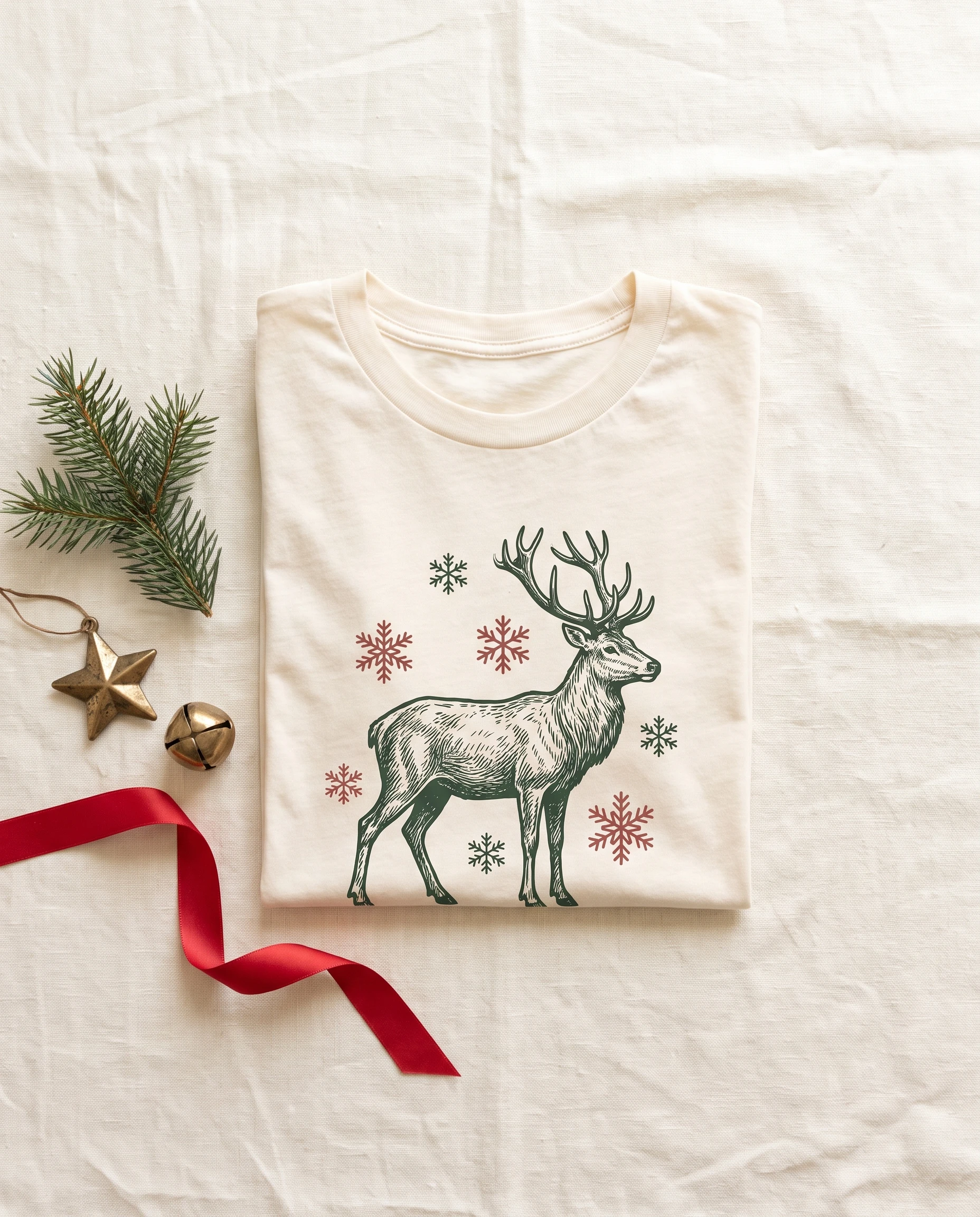
- Animals with a distinctive shape. Wolves, cats, eagles or deer have outlines that stay readable from a distance. An animal design often carries a shirt on its own.
- Nature and landscape. Mountains, forests, coastlines or night skies bring depth into the picture and take both muted and strong color worlds.
- Myth and history. Norse warriors, samurai or figures from old sagas combine form and story, which makes them especially dense.
- Graphic abstraction. Geometric patterns, mandalas or symmetrical structures work particularly reliably as full-surface designs.
- Vehicles with a clear line. Classic cars, sports cars or motorcycles live off their striking shape and their recognition value.
Weaker results come from designs that show real faces, contain a lot of lettering or depict purely conceptual themes such as success or motivation. Text often ends up distorted in the picture, and abstract concepts without a visible form give the model too little to hold on to. The more concrete your wish, the more accurate the result: a sled dog in the snow under a low sun leads to a sharper picture than the vague instruction to do something with animals.
Choosing color world and style with intent
The color world often decides how a shirt comes across more than the design itself. The same wolf looks calm and reserved in muted earth tones, mystical in cool blues and violets, and loud and bold in strong contrasts. It pays to think briefly, before you start, about the mood the shirt should carry, and to aim the color direction at that.
The design direction also changes a design fundamentally. A pared-back, minimal treatment gives you a reserved everyday shirt, while a bold, graphic aesthetic gives you a far more present piece. What matters is not to think of style and design separately. An animal in a nostalgic visual language that recalls the seventies is not an animal with a filter added afterwards, it is a picture world of its own with its own palettes and conventions. Choose design and direction as a pair that belongs together and the results are more coherent. A look through finished designs gives you ideas for combinations that work.
Common mistakes when designing
A few stumbling blocks come up again and again when working with image models. Knowing them gets you faster to a shirt you really like wearing.
- Too many designs at once. Three or four themes at the same time usually give an overloaded picture. Two carefully combined elements, say wolf and mountains or cat and blossoms, almost always turn out more balanced.
- No clear idea of style. If you do not know beforehand whether the shirt should feel calm or bold, realistic or graphic, you get arbitrary results. Settling on a direction before you design sharpens the outcome.
- Themes that are too general. Vague wishes lead to vague pictures. The more precise your idea, the more distinctive the design.
- The wrong shirt type. A delicate, playful design can get lost on a large print area, while a full-surface statement design stays below its potential on a small chest print. Design and product should fit each other.
- Colors not thought through. If you look only at the design and skip the palette, you give away a large part of the effect.
- Giving up after one round. The first pass is rarely perfect. Two or three attempts with a different design or color world are part of the process and usually lead to the better picture.
Giving an AI T-shirt as a gift
A shirt designed for one person works especially well as a gift when it picks up a shared interest. Its one-off character makes it a personal gesture for people who seem to have everything already.
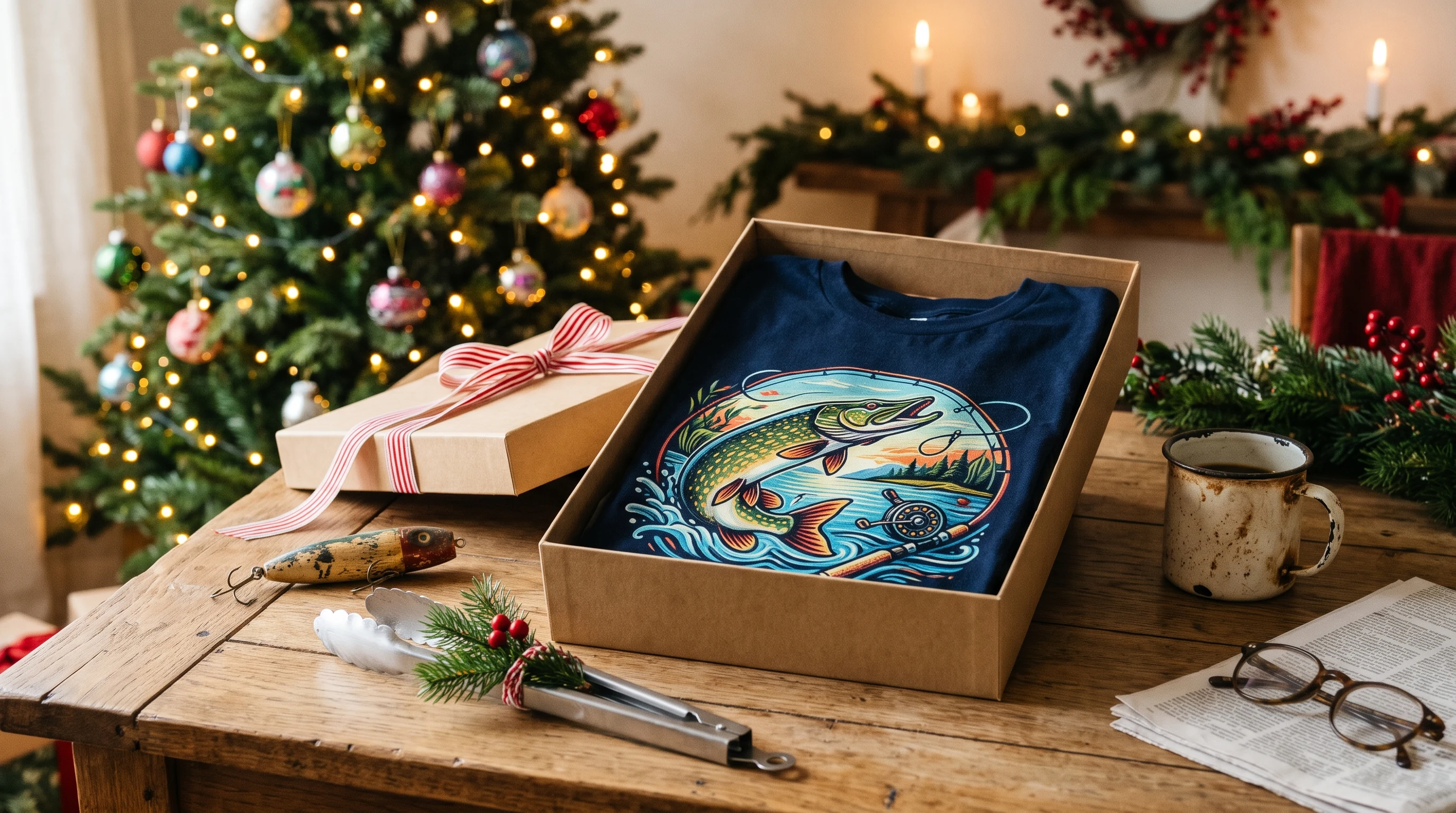
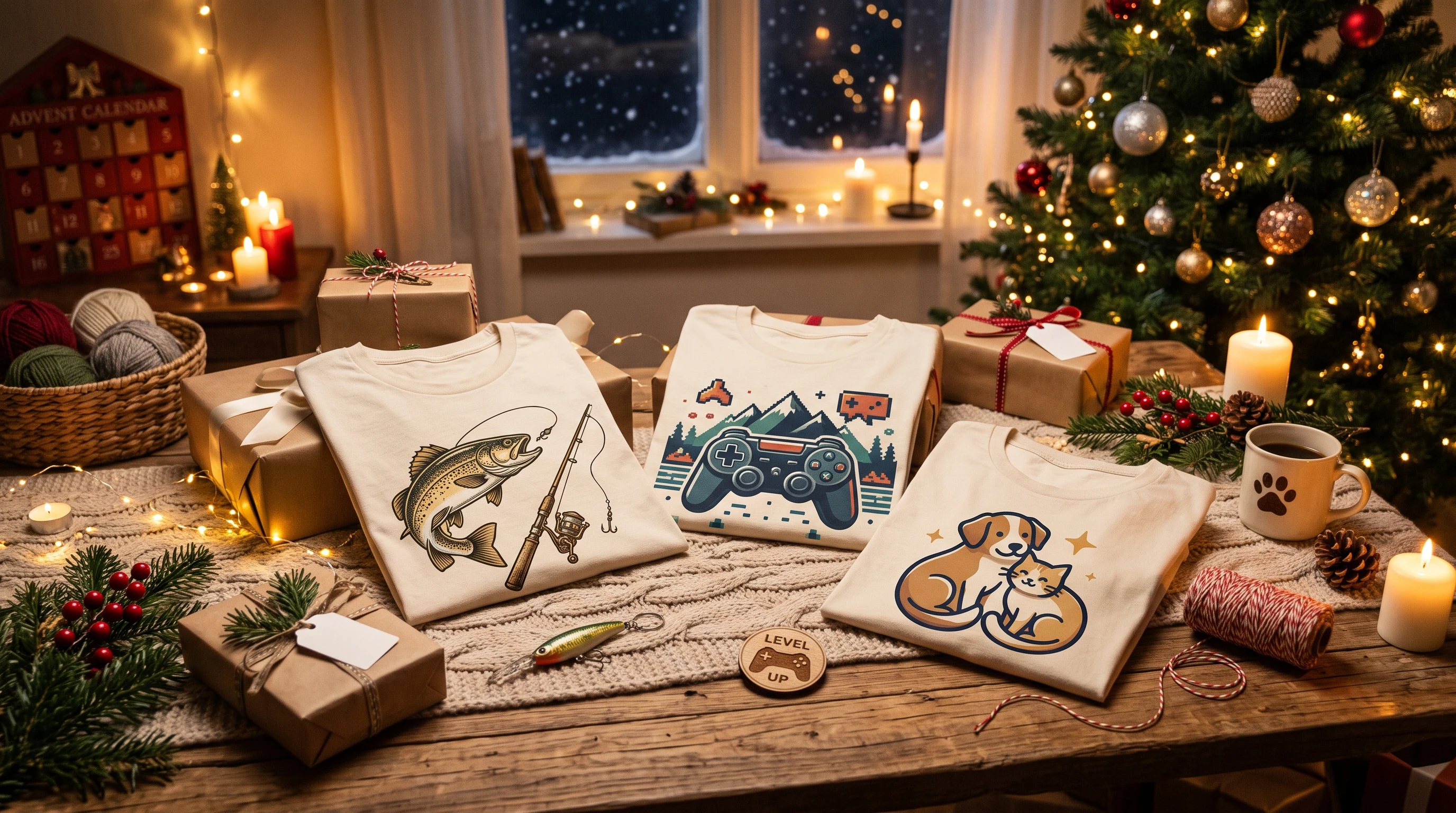
There are plenty of occasions: milestone birthdays, Christmas, an anniversary or a farewell for colleagues with a design from your shared working days. What counts is less the occasion than the connection. A dog design for a dog lover or a Norse scene for someone with a soft spot for old sagas feels more personal than any bought product, because the thought behind it is visible. If you want to give something to a dog lover, a dog design made just for them is usually the right call; for cat fans portrait and mandala variants work well, for wolf fans atmospheric night scenes, and for Viking enthusiasts designs with runes and Norse symbolism. The ideas guide offers further orientation.
For gifts it pays to plan for the production time. Because every shirt is made only after the order, delivery takes around 5-12 business days. Order in good time and you are on the safe side; for short-notice cases a gift card stays a relaxed alternative that passes the creative part on to the person receiving it.
Care: so the design lasts
An all-over print shirt keeps looking good for a long time with just a few rules. They are simple and quickly explained:
- Wash cold at 30 degrees, ideally on a delicate cycle. Heat puts the most strain on the colors.
- Turn it inside out before it goes into the machine. That protects the printed surface from friction.
- No tumble dryer. The heat can warp the fabric; let the shirt air-dry instead.
- No bleach, no heavy fabric softeners. A mild detergent for delicates is entirely enough.
Follow these points and your shirt keeps its depth of color for a long time. Ironing is possible if needed, inside out and at a low temperature, and it is better to leave the printed areas out. More answers on ordering and care are in the FAQ section.
Print-on-demand and overproduction
Print-on-demand is often compared with fast fashion, and on one point it clearly differs: there is no overproduction. Every shirt made already has a buyer, and unsold stock that would otherwise be destroyed simply does not exist.
To stay honest, there is another side. Shipping single items takes more effort per piece than delivering whole pallets, and polyester today mostly does not come from recycling. Things are moving here, as soon as recycled PET (rPET) is mature enough as a print carrier. On balance an AI T-shirt is not automatically sustainable, but it does avoid the structural overproduction problem of classic mass fashion.
From idea to finished shirt
In the end it comes down to a manageable sequence of decisions: a theme, one or two picture elements, a design direction, a color world and the right shirt type. Think these points through briefly beforehand and a few passes get you to a design that feels coherent and holds up in everyday life. A design of your own is no longer a project for specialists, it is a calm, workable series of small steps. What the AI takes on and what stays with you is shown on the AI shirt page. If you want to try it, the design generator walks you through the process, the gallery shows finished examples, and all the conditions are on the pricing page.
FAQ
What exactly is an AI T-shirt?
An AI T-shirt carries a design that a generative image model creates from your input. Instead of picking from a fixed collection, you describe the theme, the picture elements and the design direction, and the finished picture is printed on the shirt. Every generation delivers its own variants, and you pick your favorite.
Why is polyester used for all-over print instead of cotton?
Sublimation, the process behind the full-surface print, bonds the ink chemically only to polyester fibers. On cotton such a print would fade after a few washes. For a pared-back chest design, cotton with direct-to-garment printing is a good fit.
How many designs should I combine?
One to two picture elements usually give the most balanced result. A single design with a clear shape often carries a shirt on its own, and two carefully chosen elements complement each other. Three or more themes tend to look overloaded on the limited surface.
How long does delivery take?
Because every shirt is made only after the order, delivery takes around 5-12 business days. For gifts it pays to order in good time; alternatively a gift card bridges short-notice occasions.