Motorsport T-shirt: create car and racing designs
Create a motorsport T-shirt with your own car or racing design: ideas on tracks, color worlds, shirt types and the typical mistakes people make when choosing.
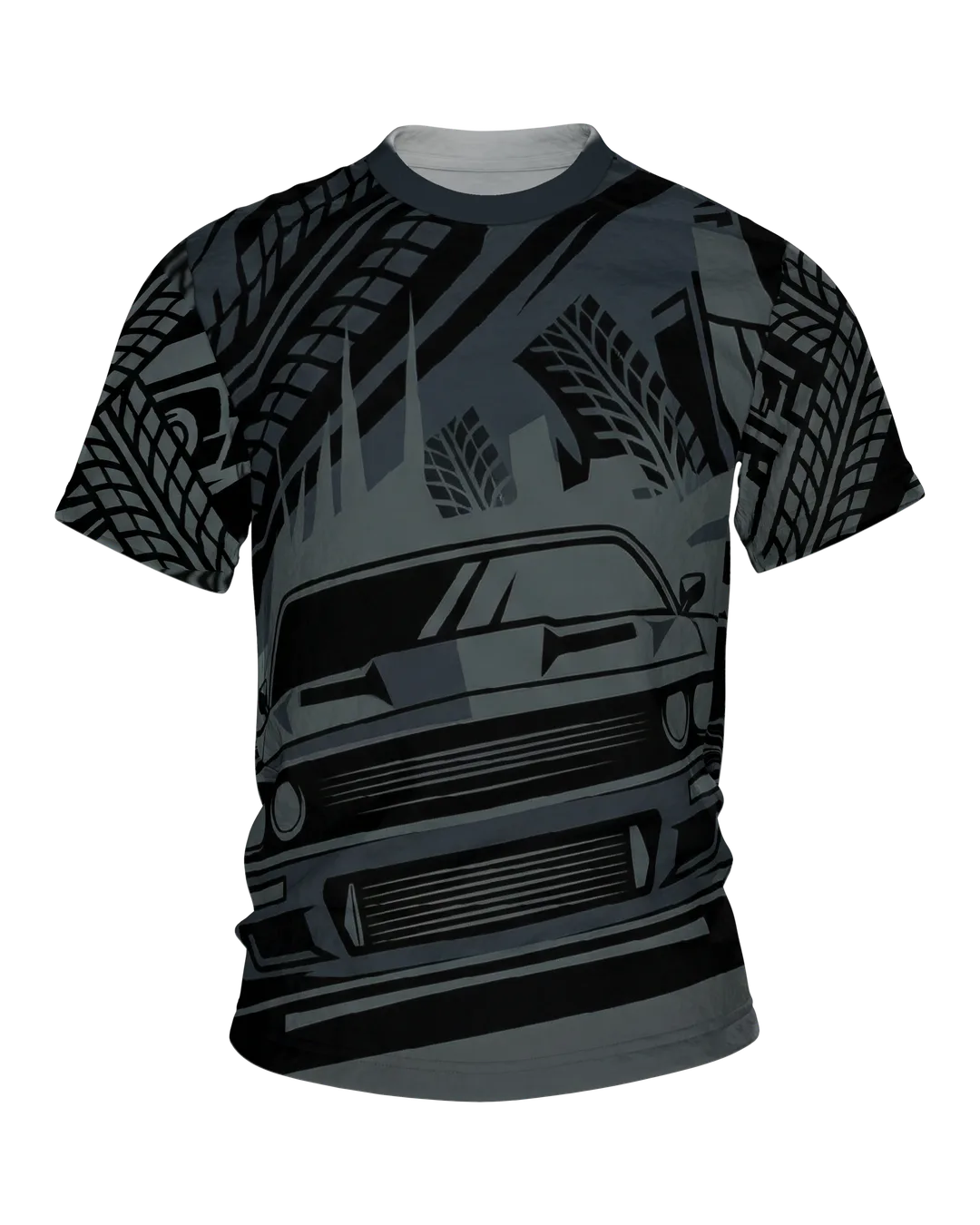
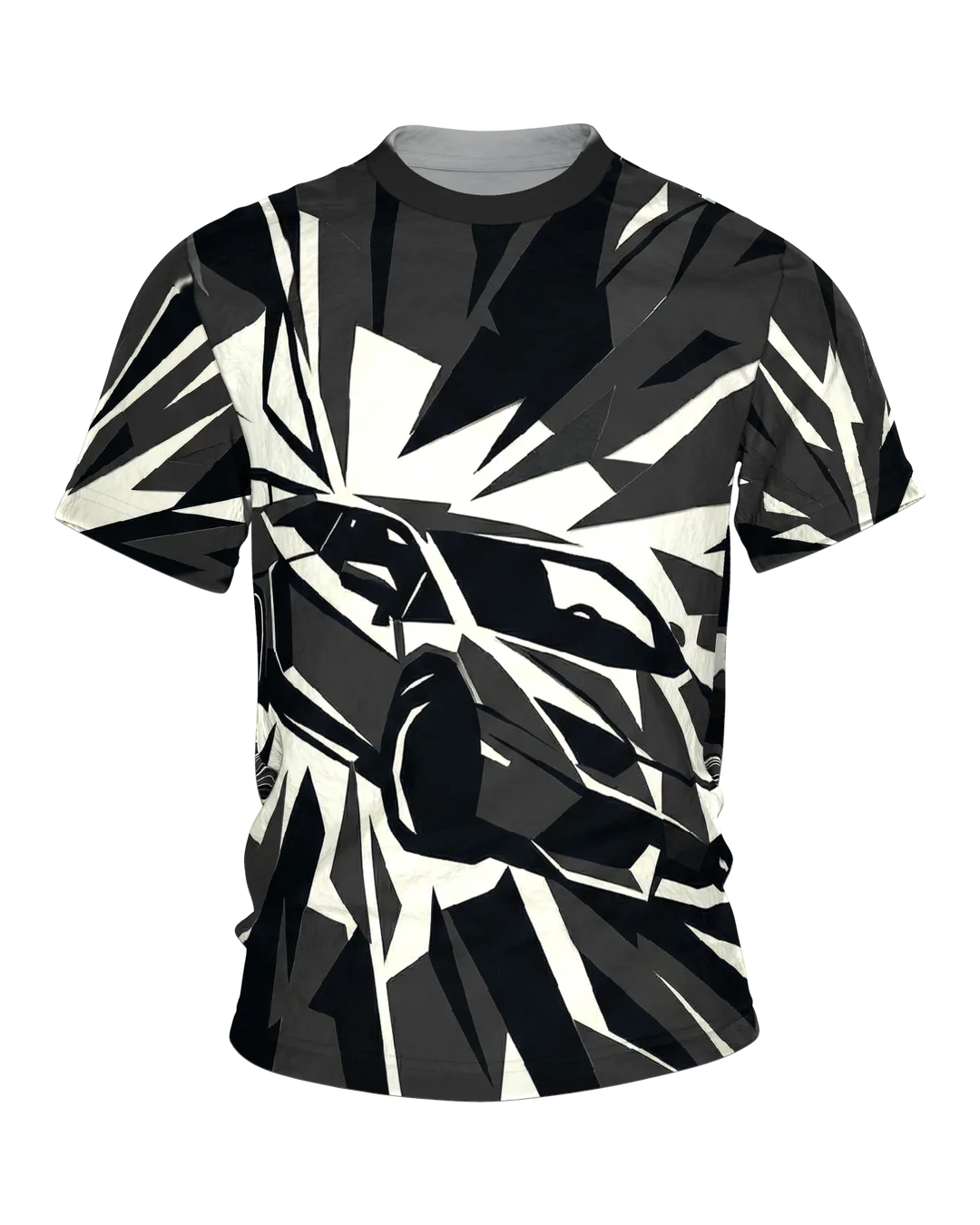
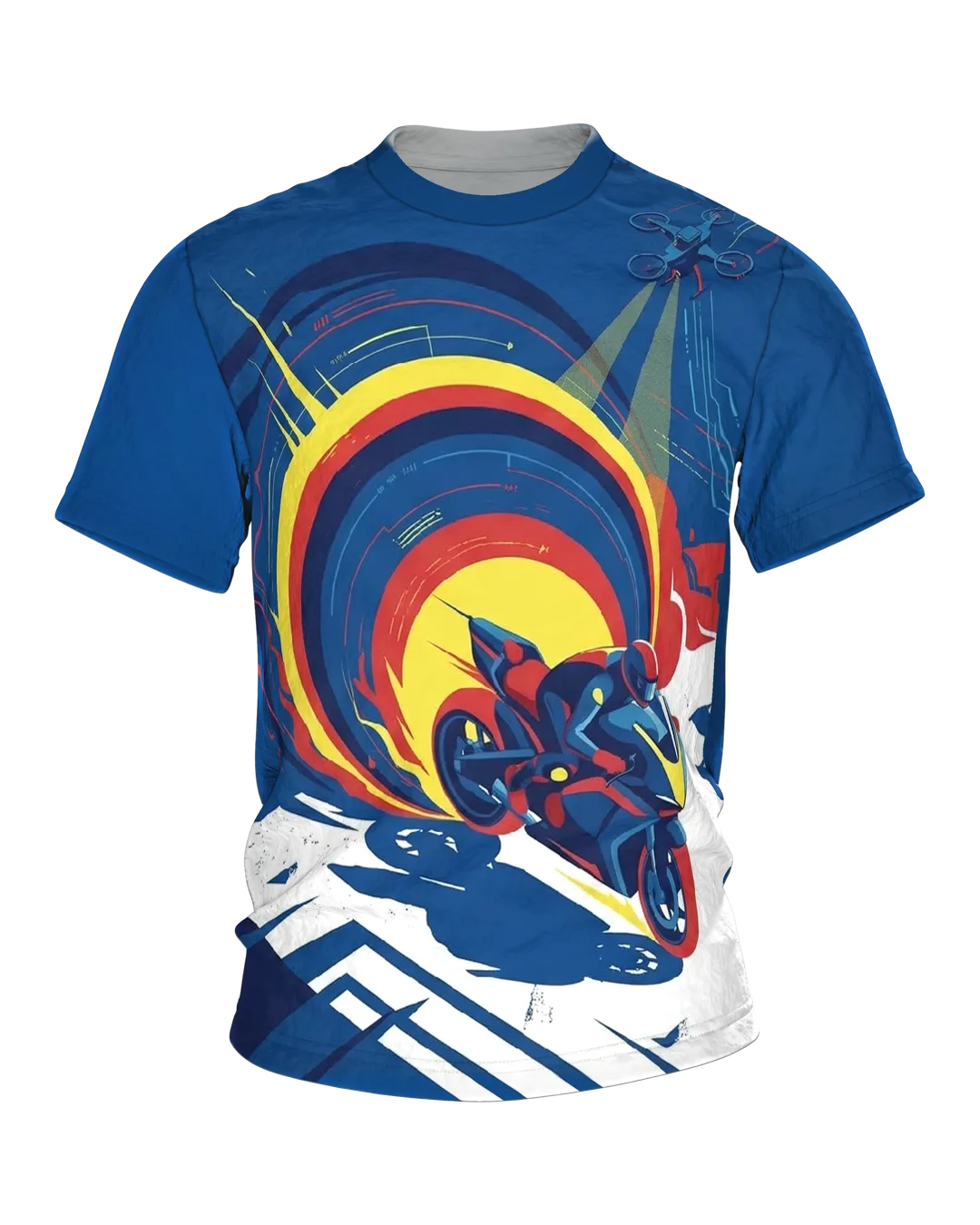
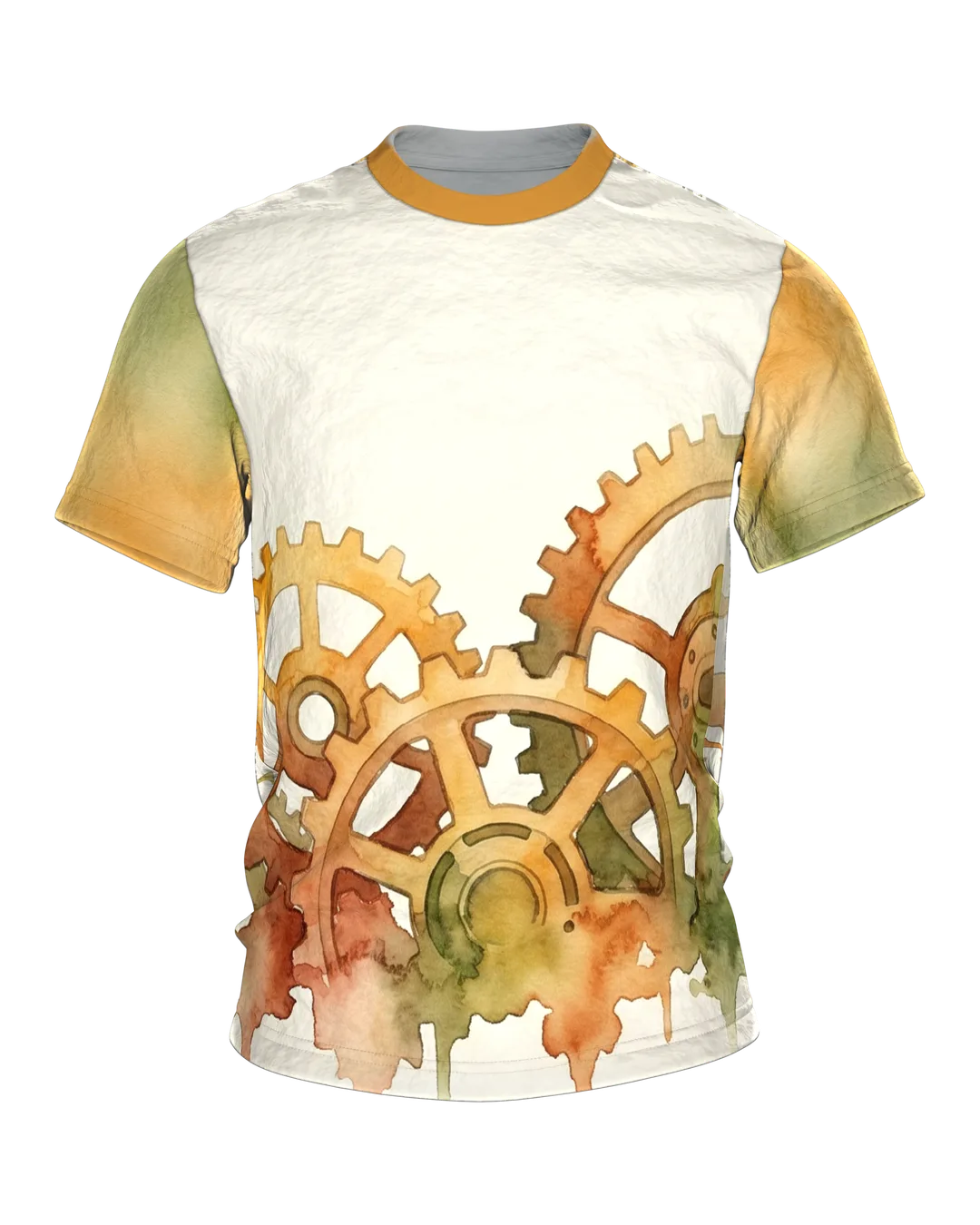
Motorsport is more than speed. It is about sound, the line of a shape, a particular era and the small details that insiders recognize each other by. Exactly that is why so many off-the-rack car shirts feel so arbitrary: a generic vehicle on black fabric, with no link to a real scene. Anyone who really lives motorsport notices immediately. A good design, by contrast, tells a small story, about a track, a racing series or a feeling behind the wheel that you know yourself.
At Isakum a motorsport T-shirt does not come from a finished catalog but from your description. You set the direction, the system suggests several variants, and you pick what suits your taste. This article gathers the main things to think about: which themes carry, which colors work, which shirt type suits which occasion and which mistakes are easy to make with car designs.
Which motorsport themes really carry
Searches rarely revolve around a general car design. What people look for is more specific, and exactly that is what gives a shirt character. These have proven themselves above all:
- Track layouts as a graphic line, the sweeping course of a well-known circuit running across the front for example.
- Cockpit perspective with steering wheel, instruments and gauges from the driver's seat.
- Speedometer close-up, where needle, numerals and the glowing ring become an abstract graphic.
- Drift designs, meaning the silhouette of a car in controlled oversteer, often with a plume of smoke.
- Rally roadbook with stylized arrows and tripmaster notes.
- The classic racing number as a large numeral in a circle, with a light patina.
The more specific the reference, the more interesting the result becomes for someone who knows the field. A universal car symbol stays interchangeable, a recognizable track layout or a particular style of racing does not.
Color worlds that suit motorsport
Color decides whether a design reads as modern, classic or raw. A few reliable directions help with the description:
- Black and red reads sporty and technical, good for modern performance designs.
- Asphalt gray with light accents supports pared-back, technical layouts.
- Orange and light blue immediately call up classic endurance racing liveries.
- Cream, burgundy and dark green suit classic car and vintage themes.
- Dusty earth tones carry rally designs and anything that should look like gravel and rough terrain.
If you want to hit a particular era, it is best to describe the mood of the colors as well: muted and nostalgic for historic racing series, high in contrast and hard edged for a current formula or touring car look. The system turns that kind of input into an image far more precisely than a plain list of objects.
Choosing the right shirt type
Choosing the product is less about better or worse than about how you will use it. There are two basic directions:
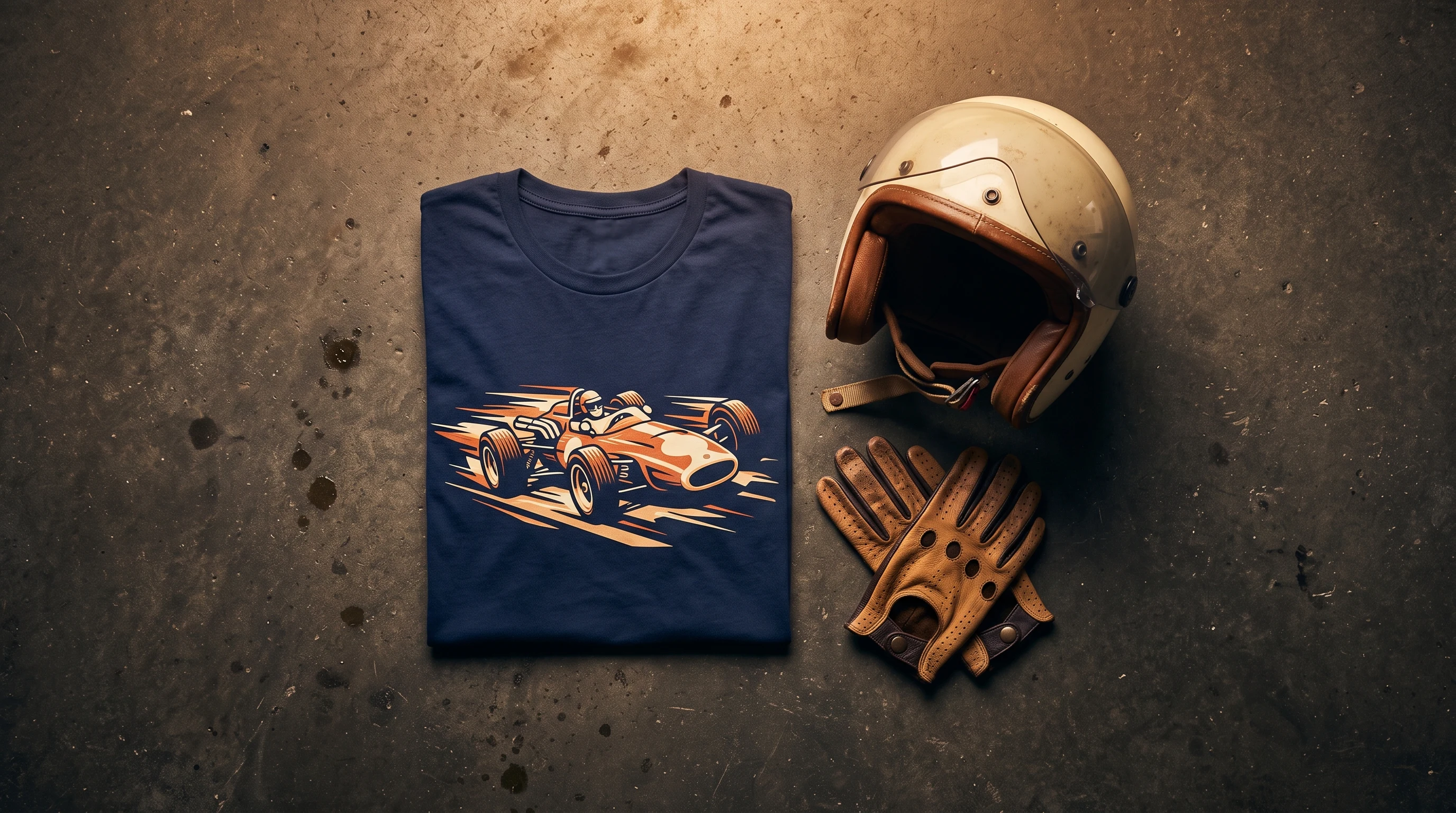
The classic cotton shirt carries the design quietly on the chest or the back. It stays restrained and fits everyday life, classic car meetings or the role of a discreet piece that does not need explaining every day.
The all-over print shirt spreads the artwork across the whole surface. A track layout, a racing livery or a poster aesthetic come into their own all the way around here. The smooth fabric, polyester with a little elastane, also stretches in two directions, practical on long race days or during sessions in the simulator. You will find an overview of the variants and sizes on the pricing page.
As for size: the graphic shirt has a unisex cut, the all-over shirt a regular, narrower one. If you like it looser, go one size up.
Historic racing series as a source of ideas
Racing has a visual language of its own, and older series in particular offer strong material. Instead of some random sports car, it is worth looking into a specific era:
- Seventies formula racing with angular, wide cars and striking liveries in gold, blue or red, ideal for a nostalgic, lightly patinated look.
- Group B rally with its boxy all-wheel-drive monsters, dust trails and jump scenes, dramatic and full of contrast.
- Endurance prototypes with long, aerodynamic silhouettes that translate well into a pared-back, graphic treatment.
- Nineties touring cars with low sedans and bold graphics, good for a powerful, poster-like design.
- Oval racing in the American tradition with a badge aesthetic and a round visual language.
Motorcycles belong here too: classic lean angles and cornering moments make expressive designs when you put the dynamics first. The more precise the reference, the more likely the shirt is to hit the nerve of real fans.
Common mistakes with car designs
Motorsport designs have a catch: people who know the field spot mistakes at once. A few points that are worth watching:
- Too many elements at once. A clear theme works better than an overloaded jumble of vehicle, flags, speedometer and lettering.
- Details that do not add up. An odd racing number, an invented track layout or a technically wrong speedometer are noticed by exactly the audience you want to reach.
- An arbitrary reference instead of a concrete one. A generic sports car says little, a recognizable era or track says a great deal more.
Handling that in practice is simple: with specific historical references, generate several variants and pick the one that holds together best. Most details land on the first try, but a quick comparison is worth it before you commit.
What a motorsport design means
A successful racing design works on two levels. To outsiders a track layout is an abstract, sweeping line, to those in the know it is a tribute to a particular circuit. A speedometer in the red zone first reads as a bold graphic, but for fans it instantly brings back a specific engine and its sound.
This double reading is what makes such shirts interesting. They are not an advertising poster, more a quiet code: a sign of recognition you share without having to explain it. If you meet someone at a classic car meeting or trackside wearing a related design, that is a reason to start talking, provided the details are right. Exactly there lies the appeal of creating a design yourself instead of buying a finished one.
Care in the garage and on race days
Motorsport clothing usually sees more than the wardrobe: oil, grease, fuel splashes and dust come with it. A few simple habits keep a shirt looking tidy for a long time:
- Treat fresh stains quickly and rinse out oil splashes with a little dish soap and warm water before the shirt goes into the wash.
- Wash at 30 degrees inside out on a gentle cycle, without fabric softener.
- Avoid the tumble dryer, since high heat can deform elastic fibers, and air dry the shirt flat or on a hanger.
- After an intense race day, wash it as soon as you can instead of leaving it lying around soaked with sweat.
With this routine the colors and the printed image stay presentable for a long time, without any special effort.
Occasions and gift ideas
Cars and racing are classic gift topics, and for exactly that reason full of arbitrary standard products. An individually created design stands out from that, because it carries a personal connection. A few situations where it goes down well:
- For the birthday of a friend who is always wrenching, a design of his favorite circuit.
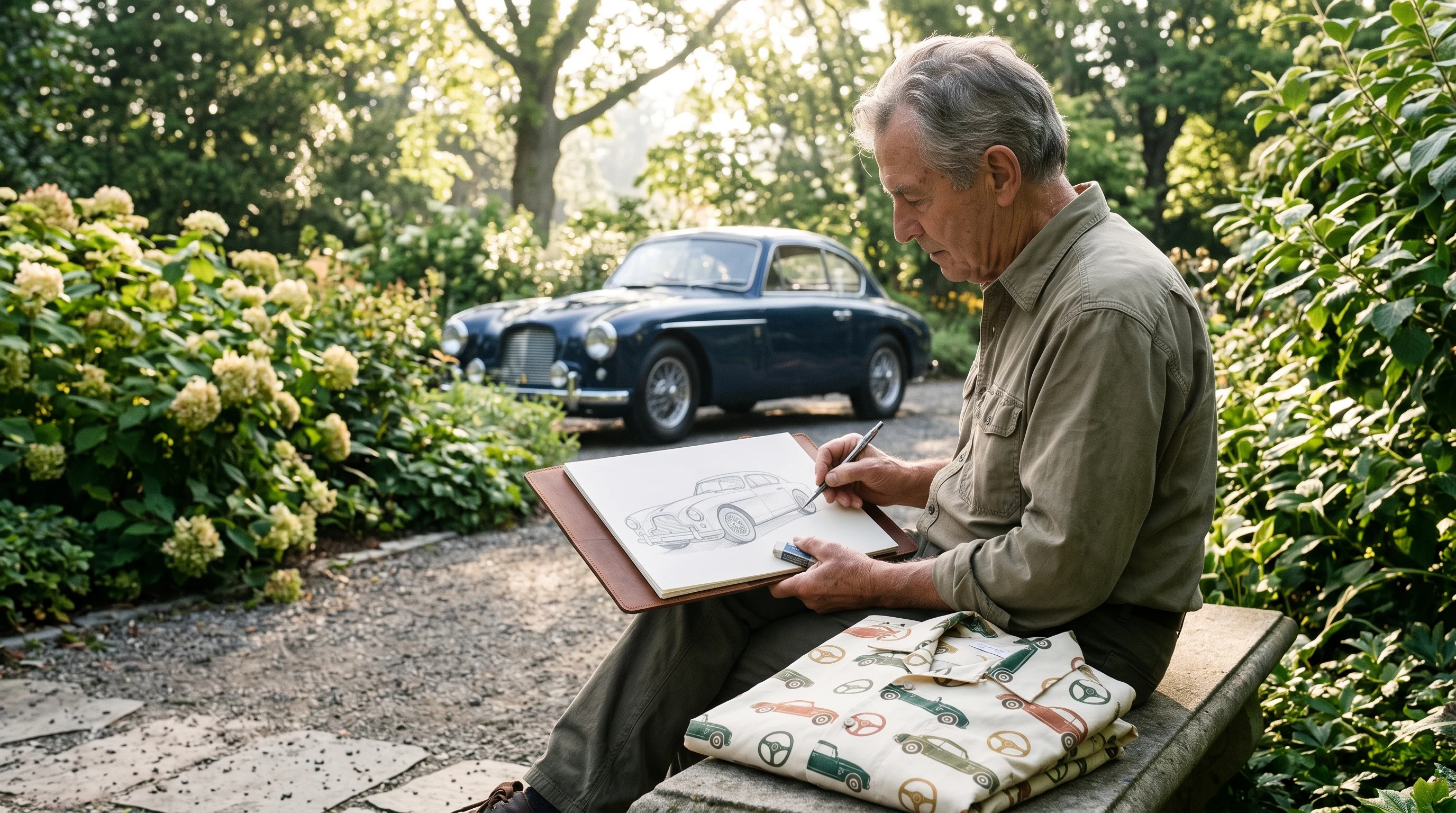
- For a classic car collector, a poster aesthetic with a historic racing number.
- As a small something to mark the season opener of a racing series.
- For someone who has just earned a racing license or finished a sim racing league, a design that holds on to that moment.
In everyday life a shirt like this stays easy to wear, at the fuel pump, in the garage or at a meeting of like-minded people. That way the gift does not turn into a piece that only fits on a single day.
If you want to create your own motorsport design, describe your direction in the design generator, classic, technical or raw for example, and compare several suggestions at your leisure. In the gallery you can see which racing designs have already been made, and on the pricing page you will find all variants and details at a glance. Take your time with the choice: a design that really fits your scene ends up being worn longer and more gladly.
FAQ
Is a cotton shirt or an all-over print shirt better for motorsport designs?
That depends on how you will use it. A cotton shirt carries the design quietly on the chest or the back and fits everyday life and classic car meetings. An all-over print shirt spreads the artwork across the whole surface and suits track layouts or racing liveries. The smooth fabric also stretches in two directions, which is comfortable on long race days or during sim sessions.
How specific should I be when describing the design I want?
As specific as possible. A recognizable circuit, a particular racing series or a clear color mood lead to far more coherent results than a general car symbol. Alongside the object, name the atmosphere you want as well, nostalgic and muted or high in contrast and technical for example.
Do insiders spot mistakes in car designs, and how do I avoid them?
Yes, racing numbers that do not add up, invented track layouts or a technically wrong speedometer are noticed by fans in particular. The simplest way is to generate several variants for specific references and pick the one that holds together best before you commit.
How do I care for a motorsport shirt after use in the garage or at a race?
Treat fresh stains quickly and rinse out oil splashes with dish soap and warm water before the shirt goes into the wash. Then wash at 30 degrees inside out on a gentle cycle without fabric softener, and avoid the tumble dryer, since high heat can deform elastic fibers.