Line art & blackwork: the art of the reduced line
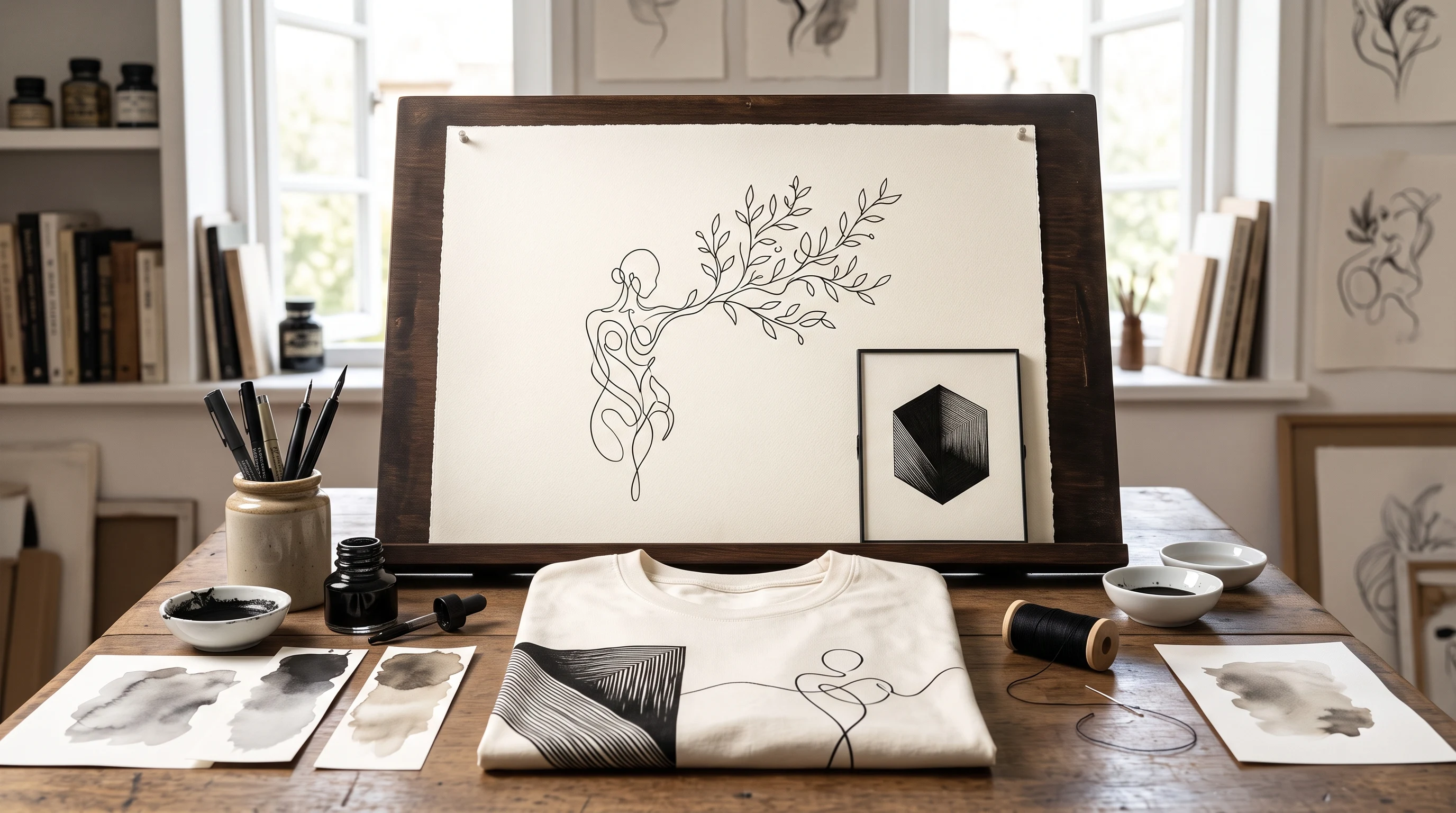
Single-line drawing, line art, blackwork: reduction as an attitude. What sets the three apart, which fabric carries the contrast and how one line becomes a one-off.

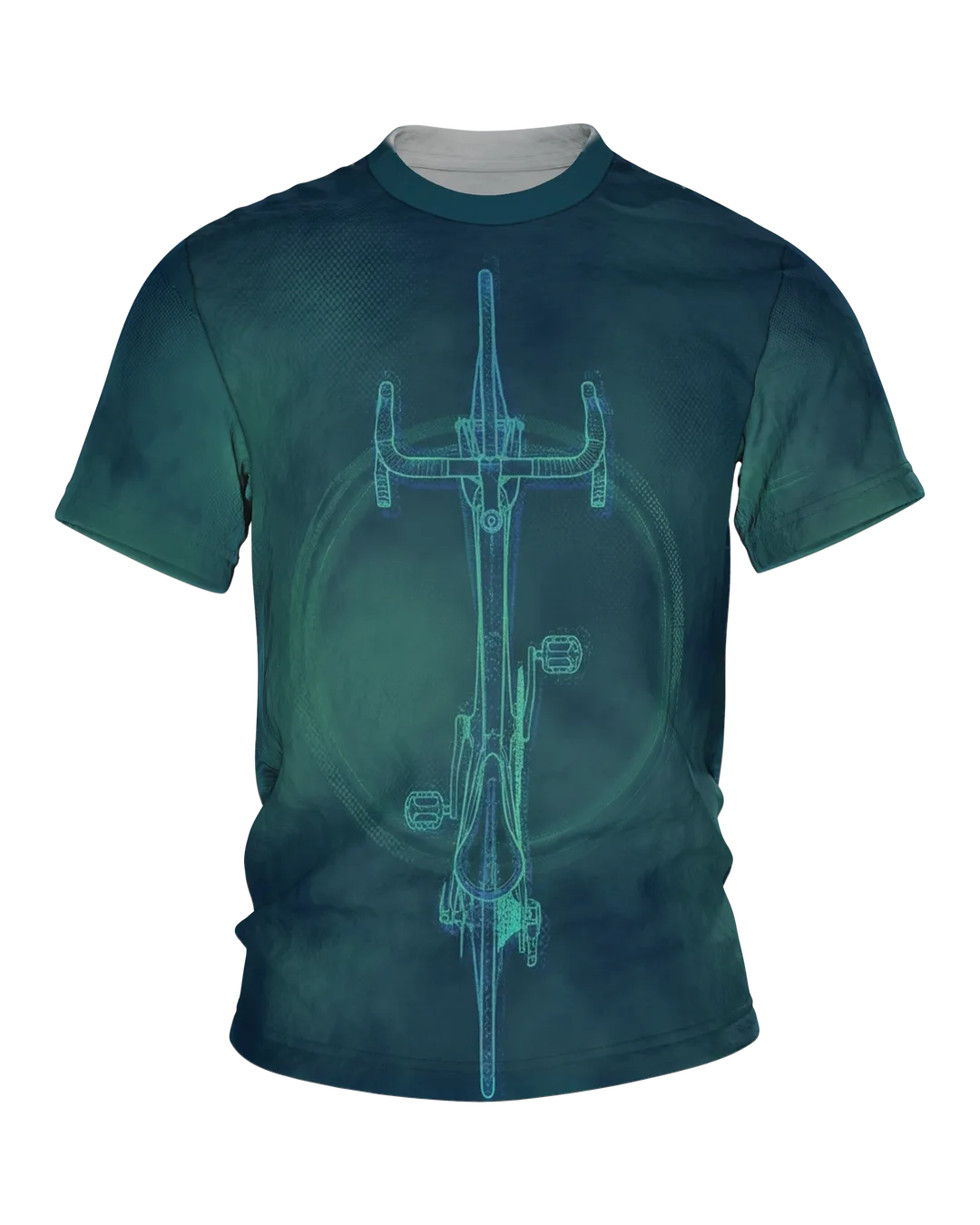
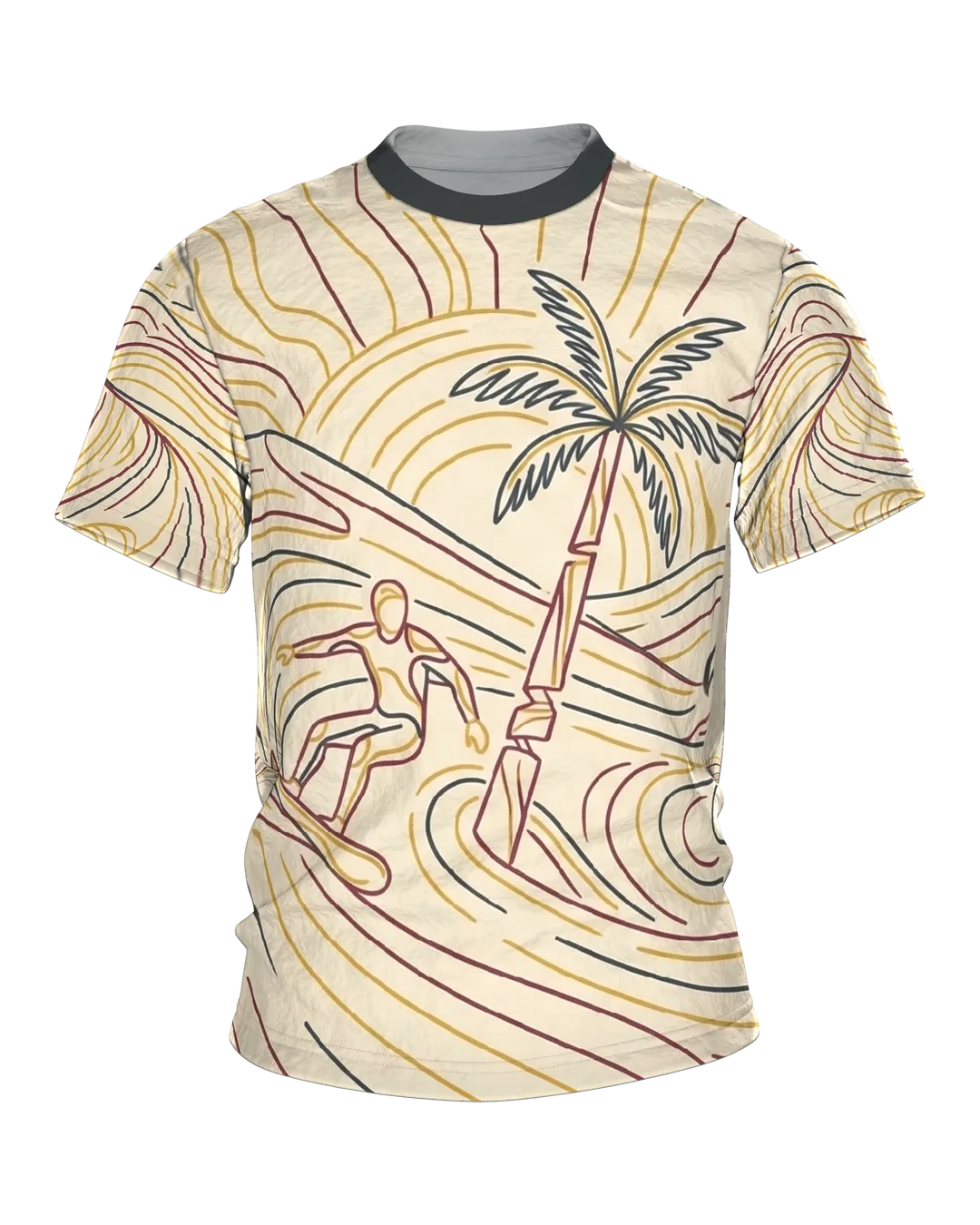
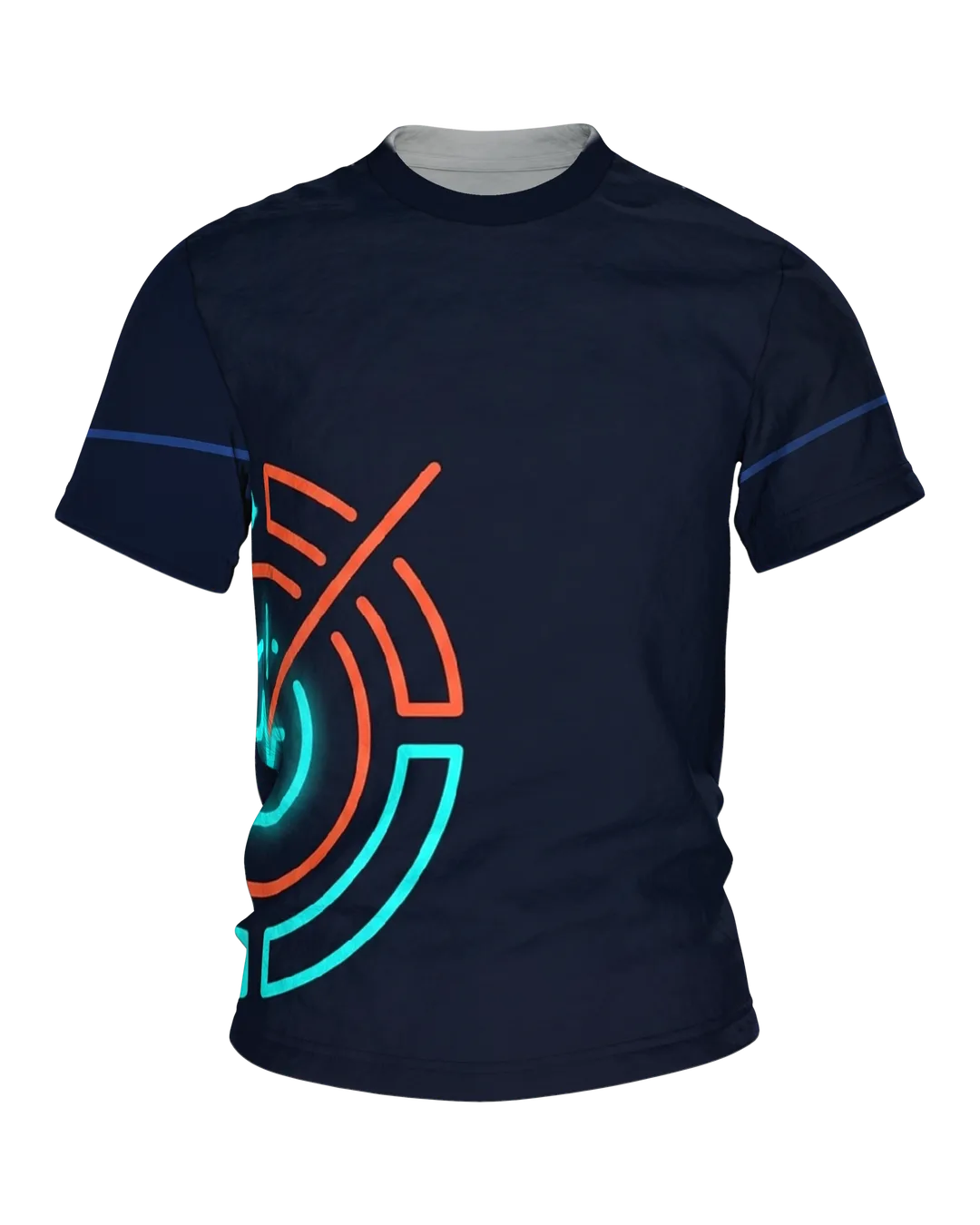
A single line can carry a whole design. Line art, single-line drawing and blackwork are the most pared-back way to design a shirt, and for exactly that reason the most demanding. Where a detailed design can hide small weaknesses, with a line every decision sits openly visible on the fabric. If you like that clarity, you get shirts that are never loud and never get boring.
Three relatives, three characters
The single-line drawing is the most radical form: a design made from one unbroken line, a face, a cat, a wave. Its appeal lies in the course of the line itself; you read it like handwriting. Line art in the wider sense allows several lines but stays with pure outline and no fill, precise, airy, almost architectural. Blackwork comes from tattoo art and goes the other way: rich black areas, hard contrasts, ornamental density. All three share the same core, reduction as an attitude, and still feel completely different: the single-line drawing poetic, line art elegant, blackwork powerful.
You will find examples from the first family in the design world single-line drawing; how far reduction can be pushed is also shown by the simple forms.
Light or dark: the most important decision
Pared-back designs live on contrast, and the fabric is half the design. A black line on a light ground looks like ink on paper, classic, calm, gallery-worthy. A light line on a dark ground reverses the effect and becomes more graphic, more nocturnal, more modern. Blackwork almost always needs light fabric so the black areas can unfold their force. Rule of thumb: the finer the line, the more important a calm ground, since patterns and washes in the fabric compete with the design.
Size and placement
The line takes both: small and large. A small single-line design on the chest works like a personal signature, subtle enough for the office, distinctive enough to stand out. Pulled across the front at full size, the same line becomes a statement. Only the balance matters: very delicate drawings lose their legibility from three meters away, so if you want impact at a distance, choose a heavier line weight or blackwork with its rich areas.
What the line can show
Almost anything, that is its quiet strength. Animals work particularly well, because their silhouettes are familiar and the line can play with recognition. Faces and hands carry emotion. Plants and mountains become a calm gesture. Even abstract runs with no subject have their appeal: then the line itself is the design. What matters is leaving the image room, since the empty space around the line is part of the design.
From style to one-off
There are many pared-back designs, but the line that traces exactly your idea is drawn just for you. You describe what the line should show: the sleeping dog, the two faces, the mountain ridge from your last hike, and out of it comes a design of your own. With a minimalist shirt that counts double: where there is little to see, the little there is should be entirely yours.
FAQ
What is the difference between line art and blackwork?
Line art works with pure outline and no fill, precise and airy. Blackwork comes from tattoo art and relies on rich black areas and hard contrasts. The single-line drawing is the most radical form: a design made from one unbroken line.
Light or dark shirt for line art?
A black line on a light ground looks like ink on paper, classic and calm. A light line on a dark ground becomes more graphic and more modern. Blackwork almost always needs light fabric so the black areas keep their force.
Does a very delicate design get lost on the shirt?
Not up close, but at a distance yes: very fine lines lose legibility beyond a few meters. If you want impact from afar, choose a heavier line weight or blackwork. As a small chest design, even the finest line works, like a signature.